Botched Aesthetic Procedure in Singapore?
We provide legal help to understand your position
You trusted a professional to enhance your appearance. When that trust is broken, we can help you understand your legal options for seeking compensation for corrective surgery and a path to recovery.
We Understand the Physical and Emotional Toll of a Procedure Gone Wrong
It is normal to feel helpless, emotional or even be unsure of where to turn to after a cosmetic procedure results in injury. What happened may be a violation of the trust you placed in a medical professional, and it is not your fault. Our team has 25 years of experience handling cases of varying complexity and invites you to consult us.
Mr. Shankar from Advox Law discusses key legal issues and patient safety concerns in Singapore’s aesthetic medicine industry. Video Credit: Channel News Asia (Aug 2025)
Holding Negligent Practitioners and Clinics Accountable
The rapid growth of the aesthetic industry has led to an increase in procedures performed with varying levels of competence. We have experience in cases involving a range of aesthetic treatments, including but not limited to:
Injectables
Potential issues include nerve damage, drooping eyelids, blindness from vascular occlusion, and uneven results.
Thread Lifts
Complications can include visible or migrating threads, skin dimpling, infection, and asymmetry.
Surgical Procedures
Liposuction, Facelifts, Rhinoplasty, or Body Contouring can involve surgical errors, excessive scarring, and post-operative infections.
Energy-Based Devices
Risks from Lasers, IPL, HIFU, or Ultherapy include burns, permanent scarring, disfigurement, and hyperpigmentation.
Secure A Consultation With An Experienced Team
Our Team

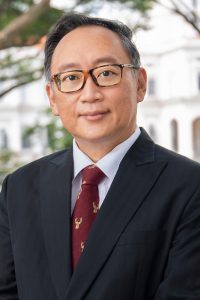

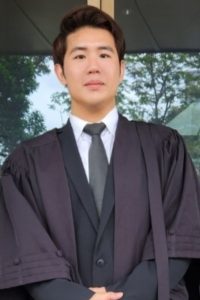

Understand Your Rights in Singapore
The legal framework in Singapore provides specific protections for patients. Understanding these rights is the first step in determining your legal position.
The Standard of Care for Advice
In Singapore, the law recognises your right to make an informed decision. A doctor has a duty to inform you of all material risks and reasonable alternatives before a procedure—not just what a group of other doctors thinks is important. If you were not properly advised of the risks, you might have grounds for a claim.
Important Deadlines
For personal injury claims from negligence, the limitation period is three years from the date the negligence was discovered. The law clearly includes a “discovery rule,” which means the period can begin from the earliest date you had knowledge of the injury, which is relevant in aesthetic cases where complications may not be immediately apparent.
Frequently Asked Questions
Can I make a claim if I signed a consent form?
Yes. A consent form acknowledges that you were informed of known risks, but it does not excuse a practitioner from their duty to perform the procedure to the accepted medical standard of care. Negligence can still occur despite a signed consent form.
What are the costs involved?
We will provide a clear explanation of the fee structure during our preliminary discussion. Many medical negligence cases can be handled on a deferred basis.
What compensation can I claim?
Compensation typically covers costs for corrective surgery and future medical care, loss of past and future earnings, and damages for the pain, suffering, and emotional distress caused by the injury.
Should I complain to the Singapore Medical Council (SMC)?
The SMC is a professional disciplinary body that investigates a doctor’s conduct. It can sanction a doctor, but it cannot award you financial compensation for your injuries. A civil lawsuit is the necessary route for seeking compensation.
Will my case definitely go to court?
Many medical negligence cases in Singapore are resolved through confidential mediation at the Singapore Mediation Centre, often without proceeding to a full court trial.
Take the First Step With a Confidential Discussion
Navigating the complexities of a potential aesthetic negligence claim requires a clear understanding of your legal position. Share your case in as much detail as possible, and we will invite you for a confidential, preliminary discussion to explore your options.
Please provide a case summary to arrange a consultation
Our Office Location
- Advox Law LLC at 51 Bras Basah Rd, #07-07, Singapore 189554
- +65 8800 0218
- general@advoxlaw.com